

Cold Plunging for Women: What the Science Actually Says About Benefits and Risks
At a Glance
- Cold plunges do not consistently improve muscle recovery or reduce soreness in women — the evidence base is largely male-dominant and does not translate equally
- Benefits with stronger clinical support include reduced menstrual pain and improved sleep quality
- Menopause symptom data (hot flashes, mood, anxiety) comes from self-reported surveys — directional but not from controlled trials
- Animal research flags potential reproductive hormone effects — women who are pregnant, TTC, or postpartum should get medical clearance first
- Cardiovascular risk increases with age — postmenopausal women and those with hypertension need individualized guidance
- Personalizing by cycle phase, health status, and goals matters more than following any generic protocol
Social media makes cold plunging look like a universal performance booster, but the actual research on women tells a more complicated story. While millions of women are stepping into ice baths hoping for faster recovery, reduced soreness, and hormonal balance, the evidence base for many of these claims is surprisingly thin when it comes to female-specific physiology.
This article cuts through the noise to give you a clear, evidence-driven picture of what cold plunges can and cannot do for women — covering muscle recovery, menstrual health, menopause symptoms, hormonal effects, and how to build a protocol that genuinely fits your body.
What Science Really Says About Cold Plunges for Women
The cold plunge conversation is dominated by male-centered research. Most of the protocols shared online were developed using data from men or mixed-gender groups. When researchers specifically study women, the results are often surprising and sometimes contradict popular claims.
A randomized controlled trial with 30 women found that cold water immersion does not accelerate recovery from exercise-induced muscle damage. Soreness, strength loss, and inflammation markers did not improve faster in the cold water group compared to controls. For women who have been using ice baths specifically to bounce back from hard training sessions, this should prompt a serious rethink.
Meanwhile, a 2025 review published in Frontiers in Physiology shows general benefits for muscle soreness and performance recovery, but the majority of evidence comes from mixed-gender or men-only studies — women-specific data is limited per this meta-analysis. The translation of those findings to women is not guaranteed.
| Study Focus | Population | Key Finding |
|---|---|---|
| Muscle damage recovery | 30 women (RCT) | No acceleration in recovery vs. control |
| Soreness and performance | Mixed/male-dominant | General benefits observed; women-specific data limited |
| Cold immersion protocols | Mixed populations | 10 to 15 min at 10 to 15°C appears optimal |
| Hormonal response | Female mice | Elevated reproductive hormones and inflammation — animal model only |
The takeaway is not that cold plunges are useless for women. It is that the benefits many people assume are universal may not apply equally. A cold plunge at home guide that accounts for female physiology is a smarter starting point than copying an athlete's protocol designed for men.
- Cold water immersion does not consistently reduce delayed onset muscle soreness (DOMS) in women
- Most protocol research uses male subjects or mixed groups without stratifying results by sex
- Women may still experience subjective benefits like reduced perceived effort and improved mood
- Individual response varies significantly based on hormonal phase, fitness level, and cold tolerance
"The assumption that what works for male athletes will work equally for women in cold water recovery is not supported by the available evidence. Women-specific research is urgently needed." — Emerging consensus from recent sports science literature
Cold Plunge Benefits Beyond Muscle Recovery
Physical performance is not the whole story. Many women are drawn to cold plunging for mental, hormonal, and quality-of-life benefits — and this is where the evidence gets more interesting.
A 2025 RCT on whole-body cryostimulation found that cold exposure reduces menstrual pain and improves sleep quality in women. This is clinically meaningful. For women who experience dysmenorrhea (painful periods) or disrupted sleep in the days surrounding menstruation, cold exposure offers a non-pharmacological option worth exploring.
On the menopause front, a 2024 survey on cold swimming among women in perimenopause and menopause suggests meaningful symptom relief: approximately 30% fewer hot flashes, 47% reduction in self-reported anxiety, and 35% improvement in overall mood. These figures come from a self-reported survey on cold swimming — not a controlled cold plunge trial — so interpret them as directional rather than definitive. Still, they signal that cold exposure may offer real value for women navigating hormonal transitions.
| Benefit | Evidence Level | Notes |
|---|---|---|
| Reduced menstrual pain | Clinical RCT | Whole-body cryostimulation protocol (PubMed 40778233) |
| Improved sleep quality | Clinical RCT | Linked to menstrual cycle phase |
| Fewer hot flashes | Self-reported (2024 cold swimming survey) | ~30% reduction reported — not a controlled trial |
| Reduced anxiety | Self-reported (2024 cold swimming survey) | ~47% reduction reported — not a controlled trial |
| Improved mood | Self-reported (2024 cold swimming survey) | ~35% improvement reported — not a controlled trial |
| Faster muscle recovery | Inconsistent in women RCTs; some mixed benefits | RCT in 30 women shows no benefit; mixed-gender studies show some |
| Reduced DOMS | Inconsistent in women RCTs; some mixed benefits | Evidence primarily from male studies |
The mood and anxiety data deserves a closer look. Cold exposure triggers a norepinephrine surge — sometimes as high as 300% above baseline according to neuroscience research. Norepinephrine is a key neurotransmitter involved in focus, alertness, and emotional regulation. For women managing stress, perimenopausal mood swings, or anxiety, this neurochemical response may be one of the most practical reasons to consider cold plunging.
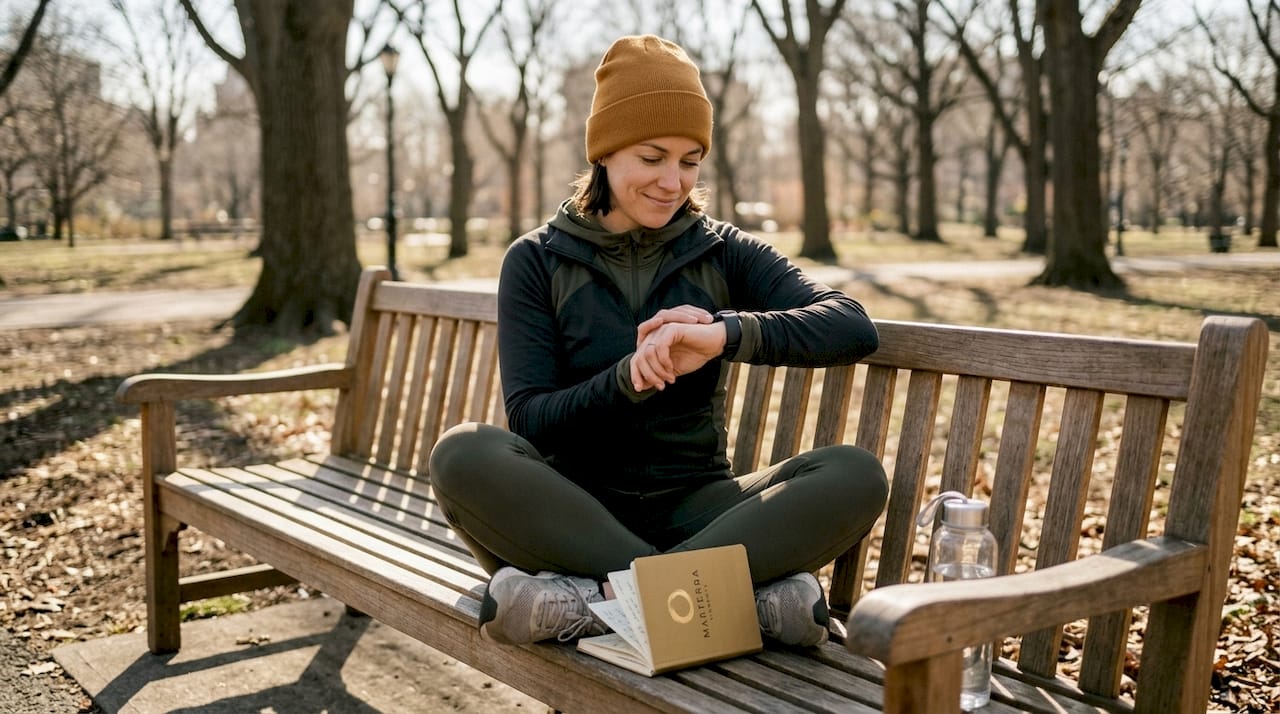
Sleep quality improvements are also worth noting. Cold exposure lowers core body temperature, which is a known trigger for deeper, more restorative sleep. Women who experience night sweats or disrupted sleep during the luteal phase or perimenopause may find this effect particularly useful.
If you want a low-commitment way to start experimenting at home, the Revive Inflatable Cold Plunge makes it easy to try without a major installation commitment.
Risks, Hormone Effects, and When to Be Cautious
Understanding the benefits also means knowing the important risks — especially since women's physiology and life stages change how the body responds to cold.
Animal research raises a flag worth taking seriously. A study using female mice found that cold water immersion affects reproductive hormones — specifically elevating estrogen, luteinizing hormone, and inflammatory markers. This is an animal model; human translation is preliminary. Consult a physician if you have fertility concerns or are managing hormonal conditions before starting cold plunging.
Cardiovascular risk is another area where women need individualized thinking. Cold water immersion causes rapid vasoconstriction and a sudden spike in heart rate and blood pressure. For younger, healthy women this is generally well-tolerated. For postmenopausal women — especially those with hypertension or cardiovascular conditions — this physiological response carries more risk.
Pregnancy — cold immersion not recommended without explicit medical approval · Trying to conceive (TTC) — potential hormonal disruption warrants caution · Postpartum period — body is in a vulnerable recovery state · Raynaud's disease — cold triggers severe vascular reactions · Uncontrolled hypertension — sudden blood pressure spikes from cold are dangerous · Active infection or fever — cold stress adds physiological burden · History of heart arrhythmia — consult a cardiologist · Severe anxiety disorders — the shock response can trigger panic in some individuals
"Women considering cold plunging should first assess their cardiovascular health, hormonal status, and reproductive goals. A one-size-fits-all approach is not appropriate for female physiology." — Based on current clinical guidance for cold water therapy
Understanding the full picture of home spa health science is a smart step before committing to any regular cold exposure routine.
How to Build a Safe and Effective Cold Plunge Routine
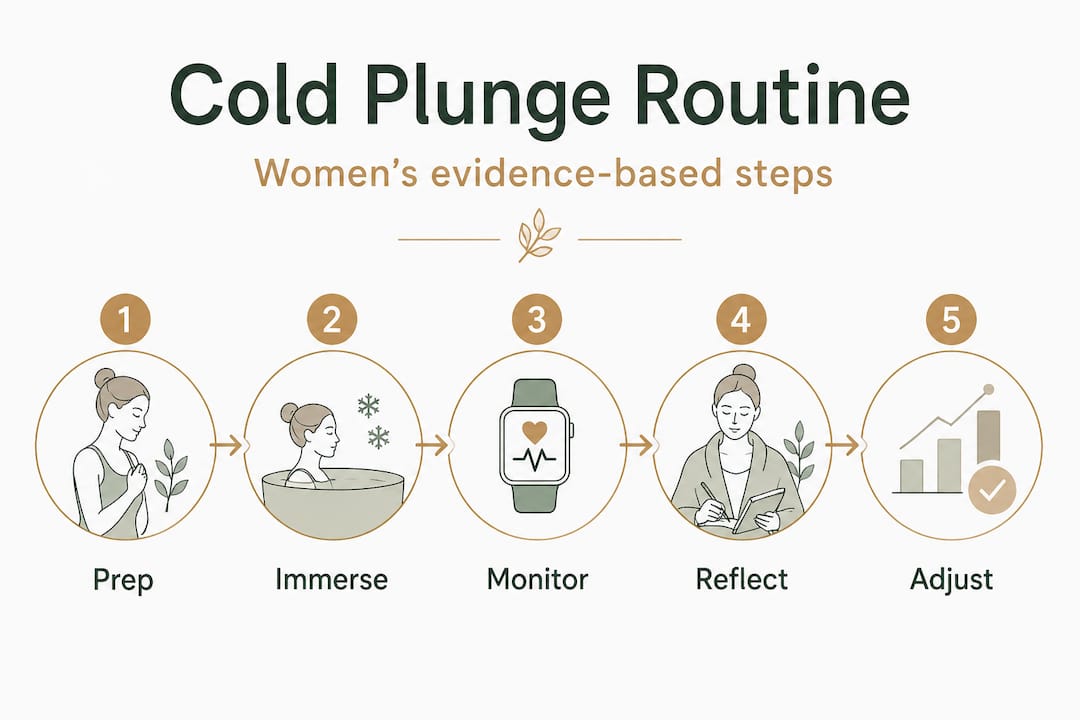
The evidence suggests a starting protocol of 10 to 15 minutes at 10 to 15°C (50 to 59°F), with careful attention to your own response. This is a guideline, not a rule — your comfort, cycle phase, health history, and goals all shape what works for you.
- Start with a medical check-in. If you have cardiovascular concerns, hormonal conditions, or are pregnant or TTC, speak with your doctor before starting.
- Begin with shorter, warmer sessions. Try 2 to 3 minutes at 15°C (59°F) for the first one to two weeks. Let your nervous system adapt.
- Track your cycle. Note which phase you are in and how your response differs. Most women tolerate cold better in the follicular phase.
- Increase gradually. Add one to two minutes per week, or lower the temperature by 1°C at a time — not both simultaneously.
- Limit frequency to start. Two to three sessions per week is a reasonable starting point. Daily cold plunging is not necessary for most women.
- Monitor for warning signs. Dizziness, chest tightness, numbness lasting more than 30 minutes, or significant mood disruption are signals to pause and reassess.
- Combine with warmth when appropriate. Contrast therapy protocols that alternate heat and cold may offer additional circulatory benefits for some women.
| Protocol Variable | Beginner | Intermediate | Advanced |
|---|---|---|---|
| Temperature | 15°C (59°F) | 12 to 13°C (54–55°F) | 10°C (50°F) |
| Duration | 2 to 3 minutes | 5 to 10 minutes | 10 to 15 minutes |
| Frequency | 2x per week | 3x per week | 3 to 5x per week |
| Cycle timing | Follicular phase preferred | Track response by phase | Personalize fully |
What Most Guides Get Wrong About Women and Cold Exposure
The biggest problem is not misinformation. It is oversimplification. Most cold plunge content is built around a single narrative: cold is good, more cold is better, and the discomfort means it is working. That framing was largely built on male athletic research and has been uncritically applied to women without adjustment.
The muscle recovery claim is the most overstated. We regularly see content promising that cold plunges will speed up recovery for everyone. But the controlled evidence in women does not support this. When a woman training hard for a race is told her ice bath is accelerating her recovery — and the science says otherwise — that is potentially harmful if it replaces more effective recovery strategies like sleep, nutrition, and active recovery.
The benefits are real but highly personalized. A woman in her 30s using cold plunges to manage period pain and improve sleep is having a genuinely different physiological experience than a postmenopausal woman managing hot flashes, who is having a different experience than a competitive athlete trying to reduce DOMS. Treating these as the same use case is a fundamental error.
The effects of contrast therapy on circulation and recovery are also frequently oversimplified. Pairing heat and cold has real merit, but timing, duration, and individual hormonal context all matter. Women who experiment with contrast therapy during the luteal phase often report more discomfort and less benefit than those who time sessions to the follicular phase.
The women getting the most from cold exposure are not following the most aggressive protocols. They are the ones who monitor their response, adjust by cycle phase, and treat cold plunging as one tool in a broader recovery ecosystem rather than a standalone solution. Embrace that complexity rather than fighting it.
Start Your Cold Plunge Practice
The Revive Inflatable Cold Plunge is a flexible, accessible way to experiment at home without a permanent installation — ideal for finding your personal protocol before committing further.
FAQ: Cold Plunge for Women
Does cold plunge help with muscle soreness or exercise recovery for women?
Most women-focused studies show that cold water immersion does not consistently reduce muscle soreness or speed up recovery — unlike findings from male-dominant research. Benefits are inconsistent in women's RCTs, with some mixed results from studies including both sexes.
Can cold plunges improve menstrual or menopause symptoms?
A 2025 RCT (PubMed 40778233) found whole-body cryostimulation reduces menstrual pain and improves sleep quality. For menopause, a 2024 survey on cold swimming reported relief from hot flashes and anxiety — though this is self-reported survey data, not a controlled trial.
Is cold plunging safe for women who are pregnant or trying to conceive?
Animal research shows cold water immersion can affect reproductive hormones in female mice — this is a preliminary finding and human translation is not confirmed. Women who are pregnant, trying to conceive, or postpartum should consult a physician before starting. Individual results vary.
What is a good starting cold plunge protocol for women?
Start with 2 to 3 minutes at 15°C (59°F), two to three times per week, during the follicular phase of your cycle. Increase gradually and monitor your response carefully. Consult a doctor if you have any cardiovascular, hormonal, or reproductive health concerns.
This article is for informational purposes only and does not constitute medical advice. Individual results vary. Cold plunging carries real risks for certain populations including those with cardiovascular conditions, reproductive health concerns, and pregnancy. Consult a qualified healthcare provider before starting any cold exposure practice.