

Vagus Nerve Stimulation at Home: Devices, Evidence & What Actually Works
At a Glance
- Noninvasive vagus nerve stimulation and adjacent nervous-system wearables aim to support relaxation, sleep, and stress resilience without surgery
- The strongest clinical evidence belongs to FDA-cleared tcVNS devices like gammaCore — while products like Apollo Neuro and Sensate belong in the wellness category, where evidence is emerging and less device-specific
- Three distinct categories apply: clinical nVNS, consumer neuromodulation wearables, and general recovery tools — each with different evidence standards
- Right-sided tcVNS carries higher cardiac risk — always confirm your device is designed for left-sided use
- Contraindications include pacemakers, epilepsy, and pregnancy — consult a clinician before starting
- Consistent use over several weeks is needed for meaningful HRV and sleep improvements
Most people assume that meaningful shifts in their nervous system require a prescription pad or a surgical suite. Noninvasive vagus nerve stimulation challenges that assumption — but the category is more nuanced than most content suggests.
Noninvasive vagus nerve stimulation and related nervous-system wearables are marketed to support relaxation, sleep, and stress resilience without surgery. The strongest clinical evidence belongs to FDA-cleared tcVNS devices such as gammaCore, while products like Apollo Neuro and Sensate belong in the wellness category, where evidence is emerging and less device-specific. Understanding which bucket your device sits in is the most important thing you can do before purchasing.
How Noninvasive Vagus Nerve Stimulation Works
The vagus nerve is the longest cranial nerve in the body. It runs from the brainstem through the heart, lungs, and digestive tract, acting as a two-way communication highway between your brain and your organs. About 80% of its fibers are afferent — carrying signals upward to the brain — which is exactly why stimulating it externally can influence so much of your internal physiology.
True nVNS devices deliver low-intensity electrical pulses — typically 0.1 to 4.6 mA at frequencies of 20 to 30 Hz — that activate the parasympathetic nervous system, increase heart rate variability, reduce systemic inflammation, and promote relaxation via the cholinergic anti-inflammatory pathway. Think of it as a targeted signal that tells your nervous system to shift from fight-or-flight into rest-and-repair mode.
There are two primary delivery methods for true electrical nVNS:
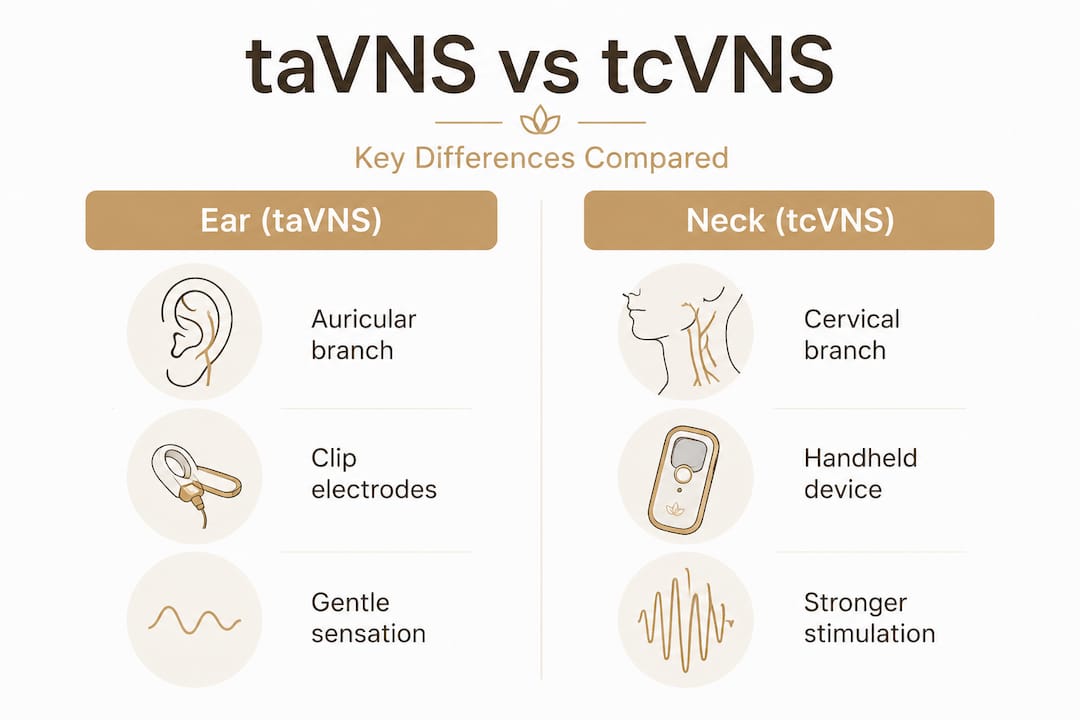
- taVNS (transcutaneous auricular VNS): Electrodes placed in or around the ear target the auricular branch of the vagus nerve, which runs close to the skin's surface there
- tcVNS (transcutaneous cervical VNS): A device applied to the neck sends electrical pulses through the skin to reach the cervical vagus nerve directly
nVNS devices primarily use these two methodologies, with taVNS targeting the auricular branch via ear electrodes and tcVNS applying stimulation to the neck. Both approaches are studied for potential autonomic and stress-related effects, but the size and certainty of those effects vary by device, protocol, and individual.
| Parameter | taVNS (Ear) | tcVNS (Neck) |
|---|---|---|
| Stimulation site | Auricular branch | Cervical vagus nerve |
| Device form factor | Earbuds or ear clips | Handheld or wearable collar |
| Typical current | 0.1 to 1.0 mA | 0.5 to 4.6 mA |
| Frequency range | 20 to 30 Hz | 25 to 30 Hz |
| Primary wellness target | Stress, sleep, mood | Stress, HRV, headache, recovery |
One reason nVNS is gaining traction is its effect on heart rate variability. Higher HRV consistently correlates with better recovery, lower perceived stress, and improved resilience. For context on how electrical-based therapies work alongside the nervous system, the science behind PEMF therapy for recovery offers a useful parallel.
Clinical nVNS vs Consumer Neuromodulation Wearables vs Recovery Tools
Before comparing devices, it is essential to understand that not everything marketed as a "vagus nerve stimulator" belongs in the same category. Three distinct buckets apply — and they have meaningfully different evidence standards.
Clinical nVNS
Example: gammaCore
FDA-cleared for specific conditions. Device-specific RCTs. Stimulates the vagus nerve in ~90% of users. Used for migraine, cluster headache, and gastroparesis. Strongest clinical validation available.
Consumer Neuromodulation Wearables
Examples: Apollo Neuro, Sensate, Pulsetto, Xen
Wellness-category devices. Apollo Neuro uses gentle vibration-based stimulation — not direct electrical vagus-nerve stimulation in the same way as tcVNS devices. Promising but less definitive evidence.
General Recovery Tools
Examples: PEMF pads, compression devices
Support parasympathetic recovery through entirely different mechanisms. Valuable as complements to an nVNS practice. Different mechanism, different evidence base.
Apollo Neuro's mechanism is specifically worth clarifying: it is a vibration-based wellness wearable — not a direct electrical vagus nerve stimulator in the same manner as taVNS or tcVNS devices. Apollo Neuro has company-published research and emerging peer-reviewed evidence suggesting potential benefits for stress, sleep, and wellbeing, but it operates through a different physiological pathway than clinical nVNS.
Sensate is designed to support relaxation and perceived stress reduction through sound and chest vibration. Its public evidence base is more limited than Apollo Neuro's. It should be understood as a relaxation device with emerging evidence — not a clinically established vagus-nerve therapy.
Device Comparison: gammaCore, Apollo Neuro, Sensate, and More
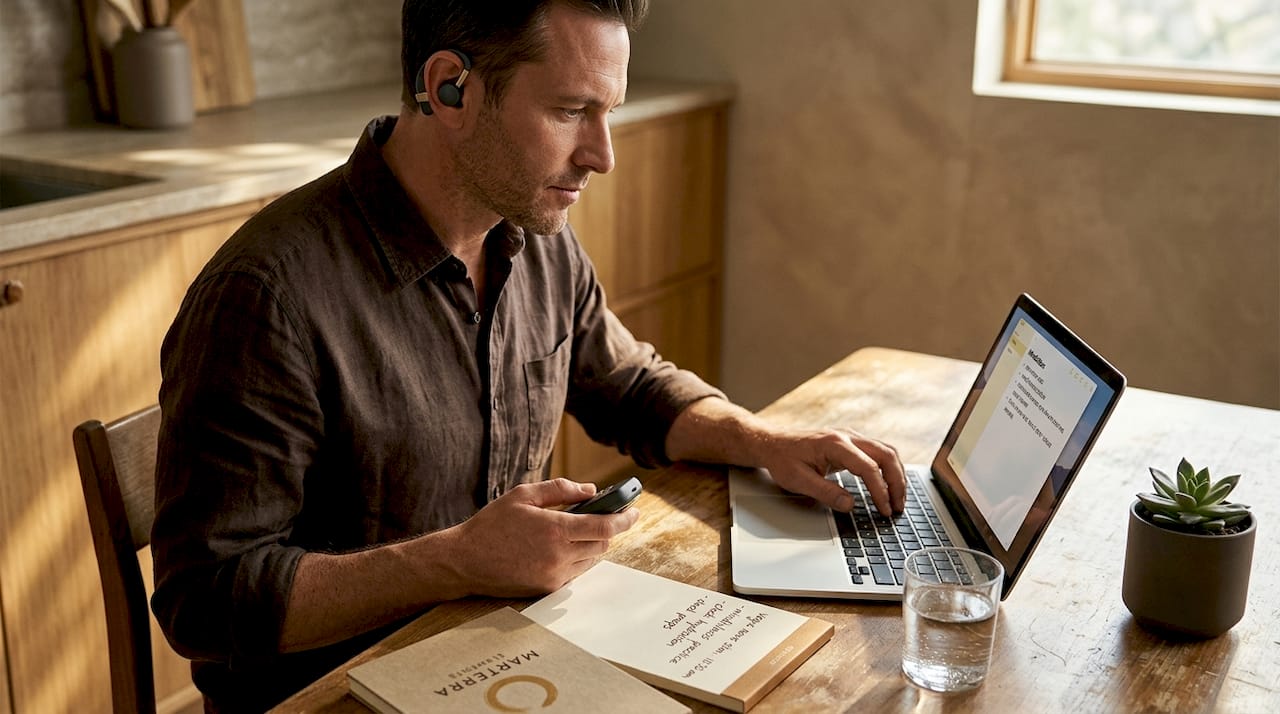
The consumer market for nervous-system wearables has grown fast. What started as niche medical technology is now available in sleek, app-connected devices targeted at everyday wellness users. Understanding where each sits on the evidence spectrum matters for setting accurate expectations.
| Device | Category | Mechanism | Evidence Level | Best For |
|---|---|---|---|---|
| gammaCore | Clinical nVNS | tcVNS (electrical) | FDA-cleared; device-specific RCTs | Headache, gastroparesis, clinical use |
| Apollo Neuro | Consumer wearable | Vibration-based stimulation | Company-published research and emerging peer-reviewed evidence | Stress, sleep, wellbeing |
| Sensate | Consumer wearable | Sound + chest vibration | Limited public research; emerging | Relaxation, perceived stress reduction |
| Pulsetto | Consumer nVNS | tcVNS (electrical) | User-reported + pilot studies | Stress, sleep |
| Xen by Neuvana | Consumer nVNS | taVNS (electrical) | Technology-level evidence | Relaxation, mood |
| Truvaga (electroCore) | Consumer nVNS | tcVNS (electrical) | Consumer wellness device from an FDA-cleared-device manufacturer | Stress, HRV, wellness |
Devices like Pulsetto, Truvaga, and Xen claim to reduce stress, improve sleep, and enhance recovery. The important distinction is that these consumer devices are built on the same physiological principles as clinical tools but most lack device-specific randomized controlled trials. "Technology-level evidence" means the mechanism is plausible and consistent with research on similar parameters — not that the specific device has been validated in an RCT.
Apollo Neuro and Sensate are best understood as consumer nervous-system wellness wearables rather than direct equivalents to electrical nVNS devices like gammaCore. That distinction matters for setting accurate expectations before you buy.
For a parallel look at how consumer-adapted wellness tools can deliver real results, red light therapy benefits illustrates how the evidence translation process works in consumer wellness technology.
Safety, Side Effects, and Who Should Avoid nVNS
The safety profile of nVNS compares favorably to nearly any other active wellness intervention. No drugs or implants, and serious adverse events appear uncommon when devices are used appropriately. That said, responsible use requires understanding the known side effects and contraindications.
- Mild skin irritation or redness at the electrode site
- Temporary neck discomfort or muscle twitching (tcVNS)
- Light-headedness or dizziness during or after sessions
- Ear canal soreness or mild pressure (taVNS)
- Headache in rare cases
Interval stimulation protocols (where stimulation alternates with rest periods) are generally better tolerated than continuous stimulation. Laterality matters, and device instructions should be followed carefully — especially for users with cardiac conditions. Most consumer devices are designed for left-sided use.
People with epilepsy or seizure disorders · Individuals with implanted cardiac devices (pacemakers, defibrillators) · Those with a history of bradyarrhythmia or significant heart conduction issues · Individuals with active carotid artery disease · Pregnant individuals — consult a clinician first (insufficient safety data for routine use) · Anyone using a device that does not clearly specify left-sided use
Pairing nVNS with other low-risk recovery tools can complement your broader routine. Devices like the OMI Pulsepad PEMF therapy pad work through entirely different mechanisms and can be layered into a recovery stack without overlapping risks.
Evaluating nVNS for Your Wellness Routine
Adding a nervous-system wearable to your daily routine works best as a deliberate, trackable intervention layered into existing recovery practices.
- Define your target outcome. Stress and relaxation benefit from midday or evening sessions. HRV-focused recovery often pairs well with morning or post-training sessions.
- Choose based on your evidence threshold. If you want FDA-cleared clinical validation, gammaCore is the clearest path. For wellness and recovery, Apollo Neuro is one of the more studied consumer wearables in this category. For pure relaxation support with lighter expectations, Sensate is designed to support perceived stress reduction.
- Baseline your metrics before starting. Track HRV via a compatible wearable (Whoop, Garmin, Oura Ring) and record subjective stress and sleep quality scores.
- Start with shorter sessions and low intensity. Most devices recommend 2 to 5 minute sessions initially. Increase gradually based on tolerance and device guidelines.
- Commit to at least four weeks of consistent use. Meaningful HRV shifts and sustained improvements in subjective calm typically emerge over weeks, not days.
- Track your own response objectively. The benefits of nVNS are cumulative. Treat it as infrastructure for your nervous system, not a one-off fix.
Why Skepticism Matters: A Cautious Approach to nVNS Hype
taVNS efficacy is still debated because sham stimulation in clinical trials often activates adjacent nerves, making it difficult to isolate true vagal effects. Researchers are calling for standardized stimulation parameters and clearer biomarkers — specifically HRV and acetylcholine levels — before drawing firm conclusions. That doesn't invalidate the technology. It means we're still building the evidence base.
Placebo effects are real, and in stress reduction research they're especially pronounced. A device that costs $300 and arrives with a beautifully designed app will generate perceived benefits in many users regardless of whether the vagal pathway is fully engaged. That's not cynicism — it's just neuroscience.
The practical takeaway: nVNS is a legitimate, low-risk tool with a growing body of support. The strongest results come to users who combine it with measurable tracking, realistic expectations, and a broader recovery ecosystem — rather than treating it as a silver bullet. The FDA's model is instructive: gammaCore earned its clearance through rigorous, condition-specific RCTs. That standard exists for good reason.
"Skeptical optimism. Approach wellness tech evidence as you would any investment: look at the mechanism, check the clinical trail, and track your own response data."
Explore Nervous System Wellness Tools
Wellness devices designed to support recovery, relaxation, and parasympathetic balance — from PEMF to compression to nervous-system wearables.
FAQ: Noninvasive Vagus Nerve Stimulation
What is the difference between taVNS and tcVNS devices?
taVNS targets the auricular branch of the vagus nerve via ear electrodes, while tcVNS applies electrical stimulation directly to the neck skin over the cervical vagus nerve. Both aim to activate the parasympathetic system but differ in delivery site, form factor, and depth of clinical evidence.
How does Apollo Neuro differ from clinical nVNS devices?
Apollo Neuro uses gentle vibration-based stimulation rather than direct electrical stimulation of the vagus nerve in the same way as taVNS or tcVNS devices. It has multiple completed studies and emerging randomized-trial evidence suggesting benefits for stress, sleep, and wellbeing — placing it in the consumer wellness wearable category rather than the clinical nVNS category.
Can consumer nervous-system wearables and nVNS devices help with sleep and stress?
Consumer devices like Pulsetto, Truvaga, and Xen report HRV increases and calmer autonomic states with consistent use. Apollo Neuro has one of the more developed evidence bases in the consumer wellness wearable category. Results typically compound over several weeks of regular sessions rather than appearing immediately.
Who should not use an nVNS or nervous-system wearable device?
Individuals with epilepsy, pacemakers, or cardiac conduction disorders should avoid nVNS without medical clearance. Right-sided tcVNS raises bradyarrhythmia risk due to proximity to the sinoatrial node — always confirm your device is designed for left-sided use. Pregnant individuals should consult a clinician before use.
How quickly can you expect results?
Some users notice a calmer state within minutes of their first session. Meaningful, sustained improvements in sleep and HRV typically require consistent use over several weeks, with benefits building progressively as parasympathetic tone improves.
What is Sensate and how does it work?
Sensate is a relaxation device designed to support perceived stress reduction through sound and chest vibration. Its public research footprint is more limited than Apollo Neuro — it should be understood as a relaxation and comfort tool with emerging evidence rather than a clinically established vagus-nerve therapy.
Recommended
- PEMF Therapy: Science, Benefits & At-Home Recovery – Marterra Elements
- Our 5 Pillars of Wellness – Marterra Elements
- Red Light, HBOT & Compression: 50% Faster Recovery – Marterra Elements
- Nervous System Wellness – Marterra Elements
This article is for informational purposes only and does not constitute medical advice. nVNS and nervous-system wearables are not intended to diagnose, treat, cure, or prevent any disease. Always consult a qualified healthcare provider before starting any new device-based wellness practice, particularly if you have cardiovascular conditions, epilepsy, or are pregnant.